


2026
What Buyers Should Know About Inspecting Older Vancouver Homes
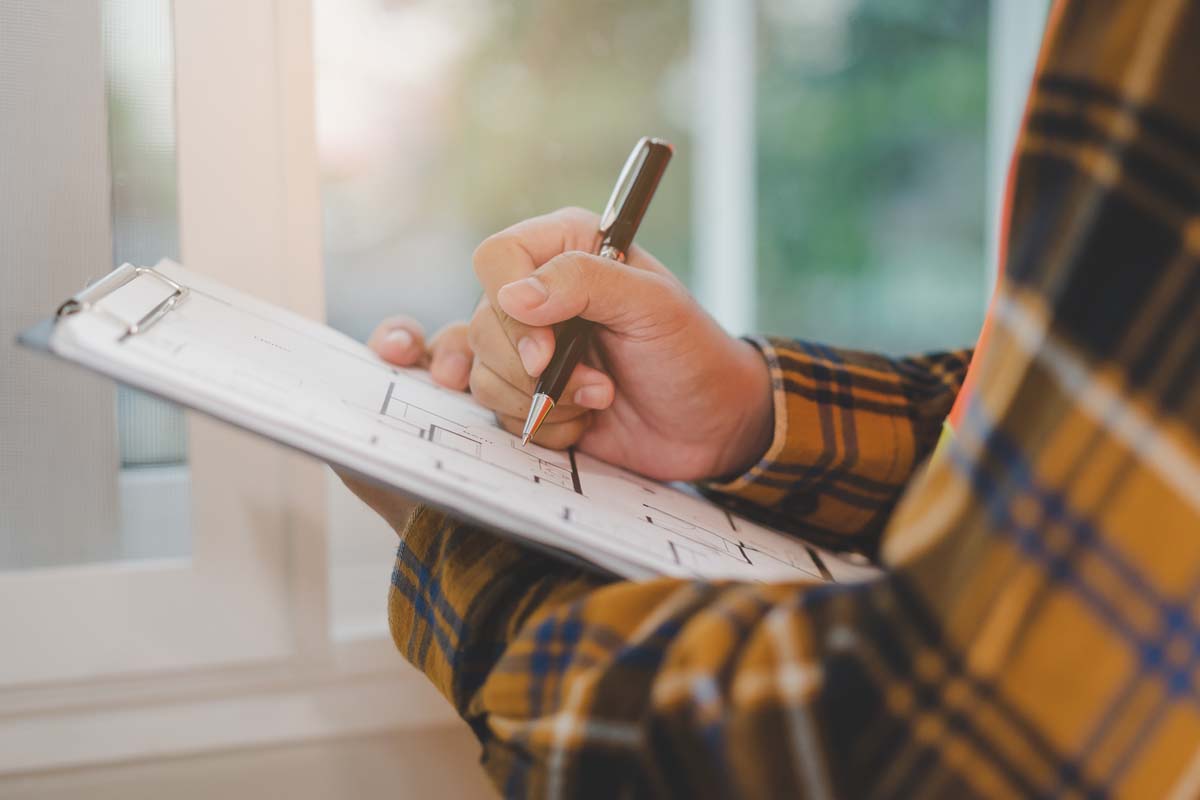
Vancouver is a city rich in history, and its real estate market reflects that heritage with a stunning array of older homes. From charming character houses in East Vancouver to stately heritage properties in Shaughnessy, these older residences offer unique architectural details and established neighborhoods that many buyers desire.
However, purchasing an older home comes with its own set of unique challenges and considerations that differ significantly from buying a new build. Because while the aesthetic appeal of a vintage property is undeniable, the underlying systems and structures may be showing their age.
That makes understanding the potential pitfalls and knowing what to look for during the inspection process crucial for any prospective buyer.
Evaluating the Integrity of the Foundation
The foundation is the literal bedrock of any home, and in older Vancouver properties, it is often the first area that requires close scrutiny. Many homes built before the 1950s utilized different foundation materials and construction techniques than those used today.
Over decades of settling and exposure to the damp Pacific Northwest climate, these foundations can develop significant issues that compromise the structural integrity of the entire house.
When inspecting the foundation of an older home, pay close attention to these critical indicators:
- Visible cracks, bowing, or bulging in the exterior foundation walls
- Signs of moisture, efflorescence (white powdery residue), or water stains in the basement
- Uneven or sloping floors on the main level of the house
- Doors and windows that stick or do not close properly
If any of these signs are present, it is highly recommended to have a structural engineer evaluate the foundation. Addressing foundation issues early can save you from catastrophic repair costs down the road.
Navigating Outdated Electrical Systems
The electrical demands of a modern household are vastly different from those of a home built fifty or even thirty years ago. Older Vancouver homes often feature electrical systems that are simply not equipped to handle the load of today's appliances, computers, and entertainment systems.
One of the most notorious electrical issues in older homes is knob-and-tube wiring, commonly found in houses built before the 1950s. This ungrounded system is considered obsolete and is often a major red flag for insurance companies. Similarly, aluminum wiring, used extensively in the 1960s and 1970s, is prone to overheating at connection points, increasing the risk of electrical fires.
To ensure the electrical system is safe and adequate, a thorough inspection should include checking for:
- The presence of knob-and-tube or aluminum wiring throughout the house
- An outdated electrical panel, such as a fuse box or a panel with insufficient amperage (less than 100 amps)
- A lack of Ground Fault Circuit Interrupter (GFCI) outlets in kitchens, bathrooms, and outdoor areas
- Signs of DIY electrical work or exposed, frayed wires
Upgrading an electrical system can be a substantial investment, so it is vital to understand the scope of the work required before finalizing your purchase. A comprehensive visual inspection will help identify these hidden electrical hazards.
Assessing the Condition of the Plumbing
Just like the electrical system, the plumbing in an older home has a finite lifespan. The materials used for pipes decades ago may now be reaching the end of their usability, leading to leaks, low water pressure, and potential water damage.
In Vancouver, where water damage is a common concern due to the climate, evaluating the plumbing is a critical step in the inspection process.
Galvanized steel pipes were widely used in older homes but are notorious for rusting and corroding from the inside out. This corrosion restricts water flow and eventually leads to leaks.
Another concern is the main sewer line connecting the house to the city system. Older homes may have clay or cast-iron sewer lines that are susceptible to tree root intrusion, cracking, and collapse.
When evaluating the plumbing system, look for these common warning signs:
- Low water pressure when multiple fixtures are turned on simultaneously
- Discolored or rusty-looking water coming from the taps
- Visible signs of corrosion, rust, or leaks on exposed pipes in the basement or crawlspace
- Slow-draining sinks or frequent backups, which may indicate a problem with the main sewer line
Replacing outdated plumbing can be disruptive and expensive. Knowing the condition of the pipes allows you to budget for necessary upgrades and avoid unexpected plumbing emergencies after you move in.
Identifying Potential Environmental Hazards
Older homes were often built using materials that are now known to be hazardous to human health. When purchasing a vintage property in Vancouver, it is essential to be aware of these potential environmental risks and have them properly assessed. The presence of these materials does not necessarily mean you should walk away from the purchase, but it does require careful management and potential remediation.
Asbestos is perhaps the most well-known hazard, commonly used in insulation, floor tiles, and textured ceilings until the late 1980s.
When left undisturbed, asbestos is generally safe, but if the materials are damaged or disturbed during renovations, harmful fibers can be released into the air. Lead-based paint is another common concern in homes built before 1978, posing a risk particularly if the paint is peeling or chipping.
During the inspection process, be vigilant about identifying these potential hazards:
- Vermiculite insulation in the attic, which may contain asbestos
- Old vinyl floor tiles or linoleum that could contain asbestos fibers
- Peeling or chipping paint on walls, trim, or exterior surfaces that may be lead-based
- Signs of mold or mildew, particularly in damp areas like basements or poorly ventilated bathrooms
If you suspect the presence of hazardous materials, specialized testing by qualified professionals is necessary. Understanding these risks allows you to make informed decisions about future renovations and the safety of your living environment.
Examining the Roof and Exterior Envelope
The roof and exterior envelope are your home's primary defense against Vancouver's frequent rain and wind. In older homes, these components have endured years of weathering and may be nearing the end of their functional life. A failing roof or compromised exterior can lead to significant water intrusion, causing extensive damage to the interior structure and finishes.
Older roofs may have multiple layers of shingles, which can hide underlying damage and add excessive weight to the roof structure. Additionally, the flashing around chimneys may be deteriorated or improperly installed. The exterior siding, whether it is wood, stucco, or brick, should also be carefully examined for signs of rot, cracking, or moisture damage.
To ensure the home is properly protected from the elements, the inspection should focus on:
- The age and condition of the roofing materials, looking for missing, curled, or damaged shingles
- The integrity of the flashing and the condition of the gutters and downspouts
- Signs of wood rot, peeling paint, or cracking on the exterior siding and trim
- The condition of older windows and doors, which may be drafty or prone to leaking
If you are unsure about the state of the roof, learning how to assess roof condition to avoid costly leaks in rainy climates can provide valuable insights. A sound exterior envelope is essential for maintaining a dry and comfortable home.
Making an Informed Decision on Your Vintage Home
Purchasing an older home in Vancouver is an exciting prospect, offering the chance to own a piece of the city's history. However, the charm and character of these properties must be weighed against the practical realities of aging infrastructure.
By understanding the common issues associated with older homes, from foundation concerns to outdated electrical and plumbing systems, you can approach the buying process with confidence and clarity.
The Inspectors is a group of very experienced home inspectors who bring reliability and integrity to the practice of home inspection. These inspectors follow closely the established standards of the Canadian National Association of Certified Home Inspectors.
If you have any questions about this article or would like to talk to us about home inspection, we encourage you to call us at (778) 788-5301